Crossing an existing line
You need its exact depth.
Soft digging with air and water exposes buried lines without damaging them.
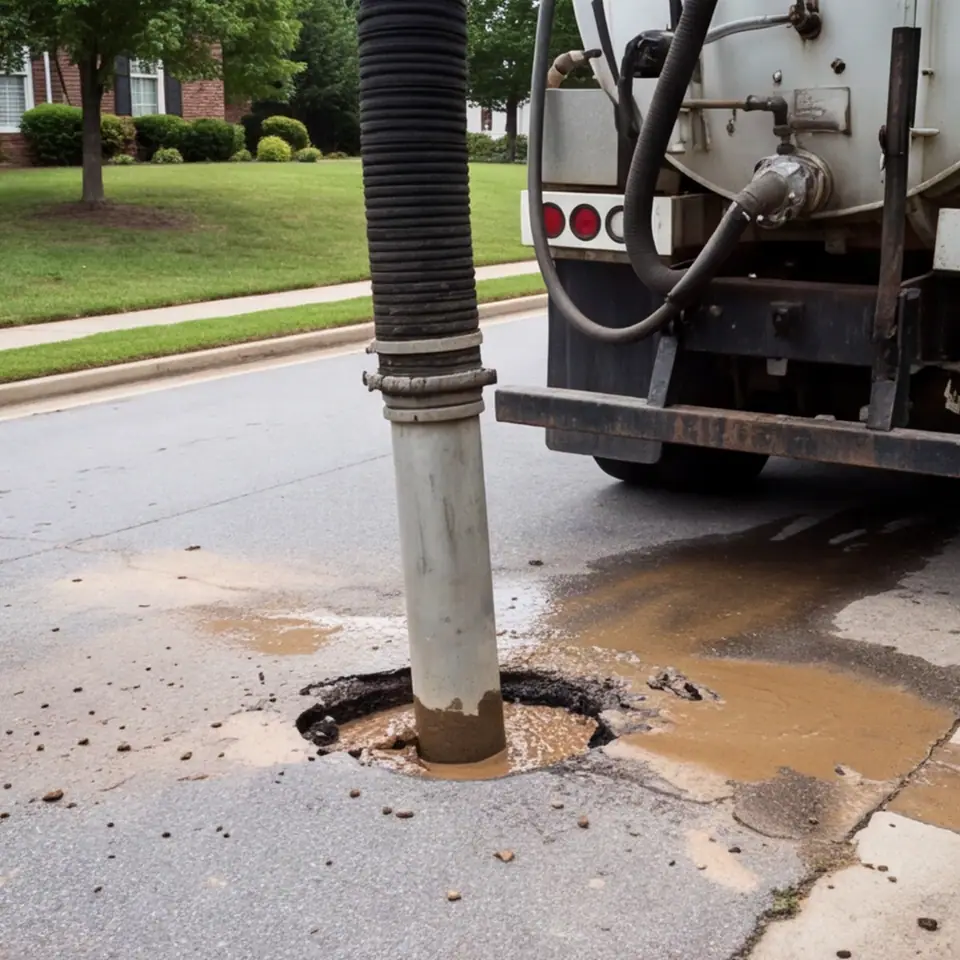
When you cannot afford to hit a line, a bucket is the wrong tool. Vacuum excavation uses a stream of water or air to loosen soil and a powerful hose to pull it into a tank, so a buried gas, electric or telecom line is uncovered without a scratch. It is how careful crews confirm what is really down there.
We pothole at crossings and along planned routes, record the depth and size of each line we expose and mark the finding for the plans. The small round hole is backfilled and restored right away. Vacuum work is also useful for tight spots, around tree roots and for cleaning out valve boxes and vaults.
You need its exact depth.
You want proof before digging.
A machine cannot reach safely.
Soft digging protects them.
We plan each pothole.
Air or water loosens soil and a vacuum removes it.
Depth, size and material are recorded.
Plans are updated.
The hole is closed and patched.
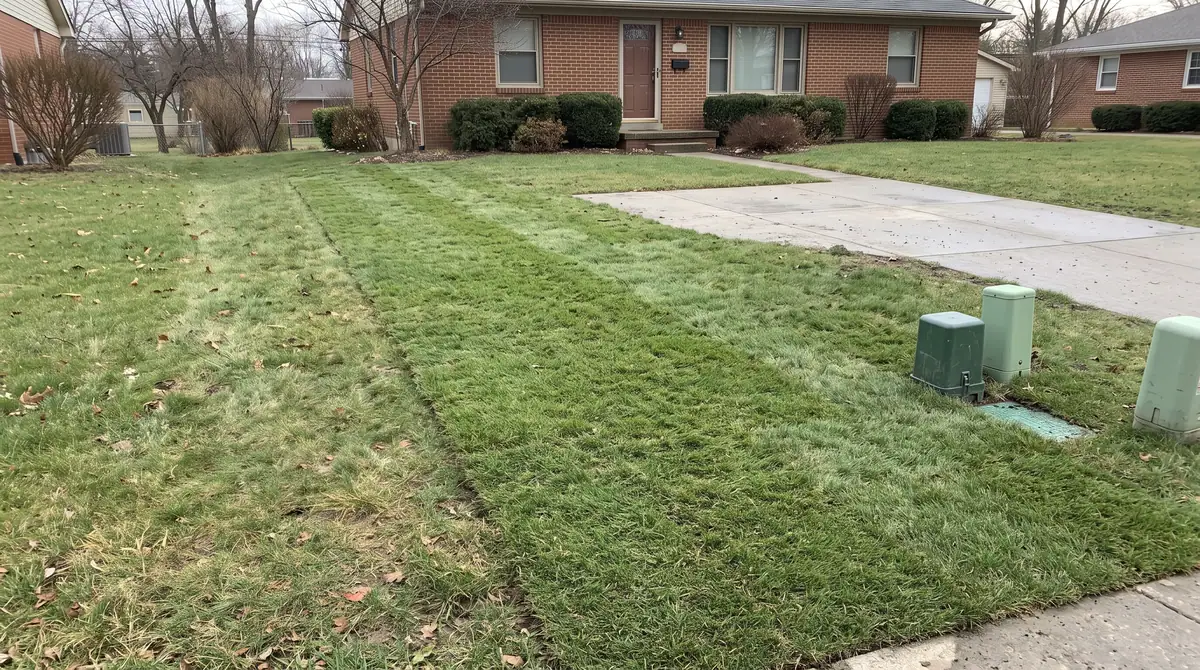
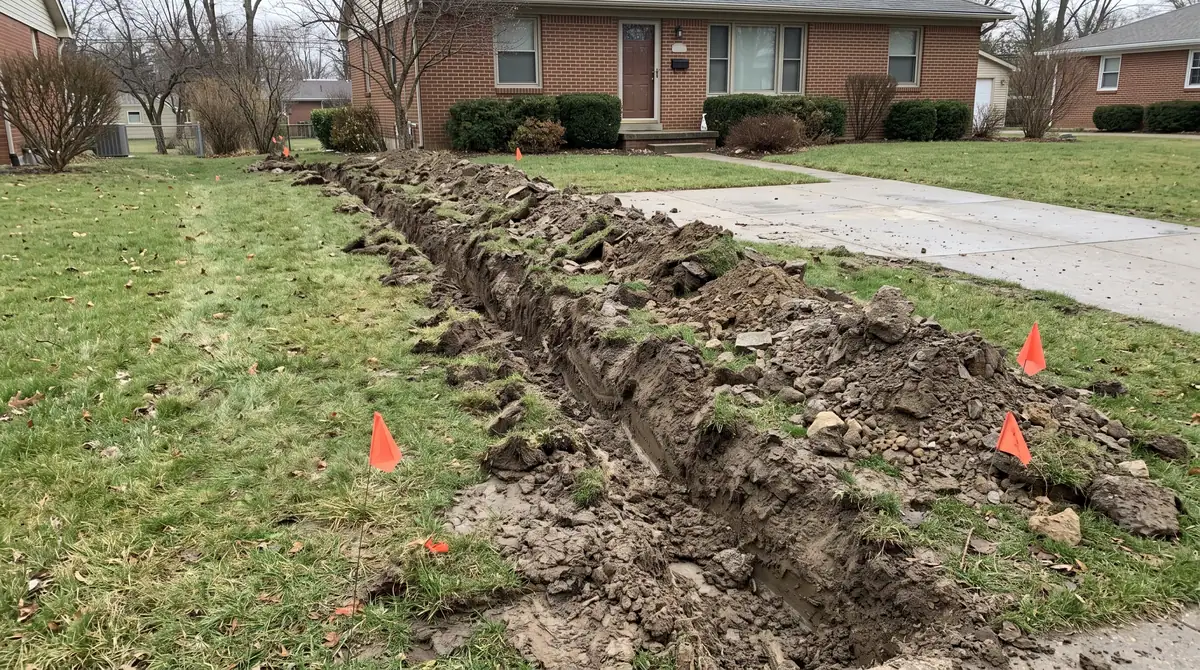
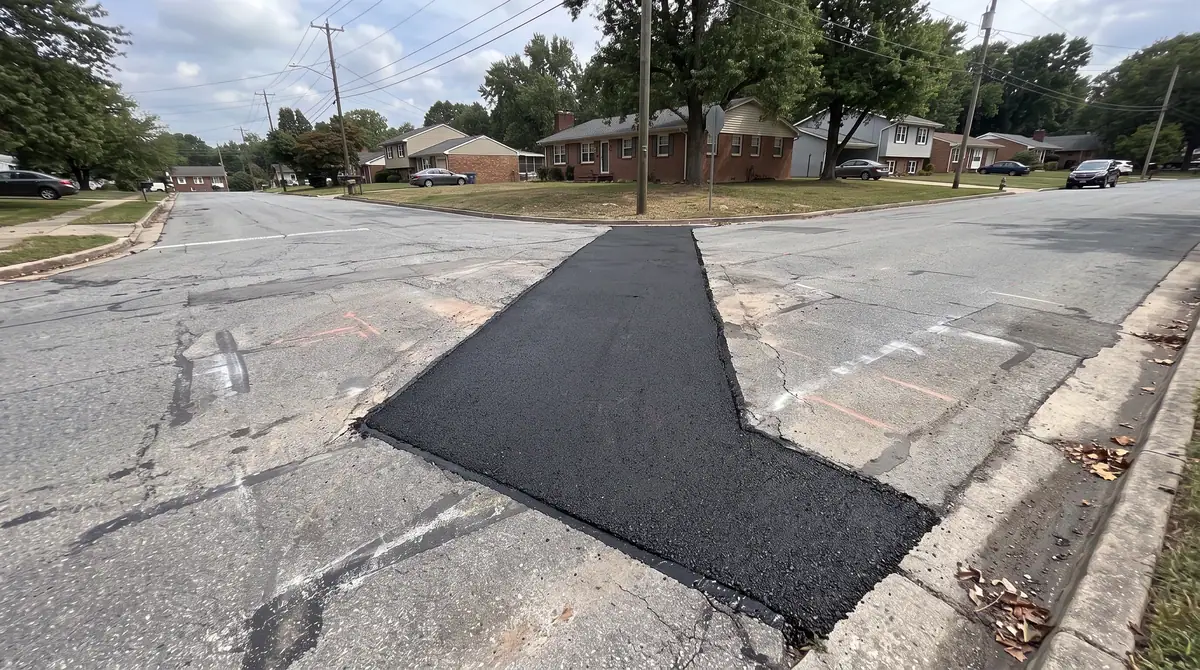
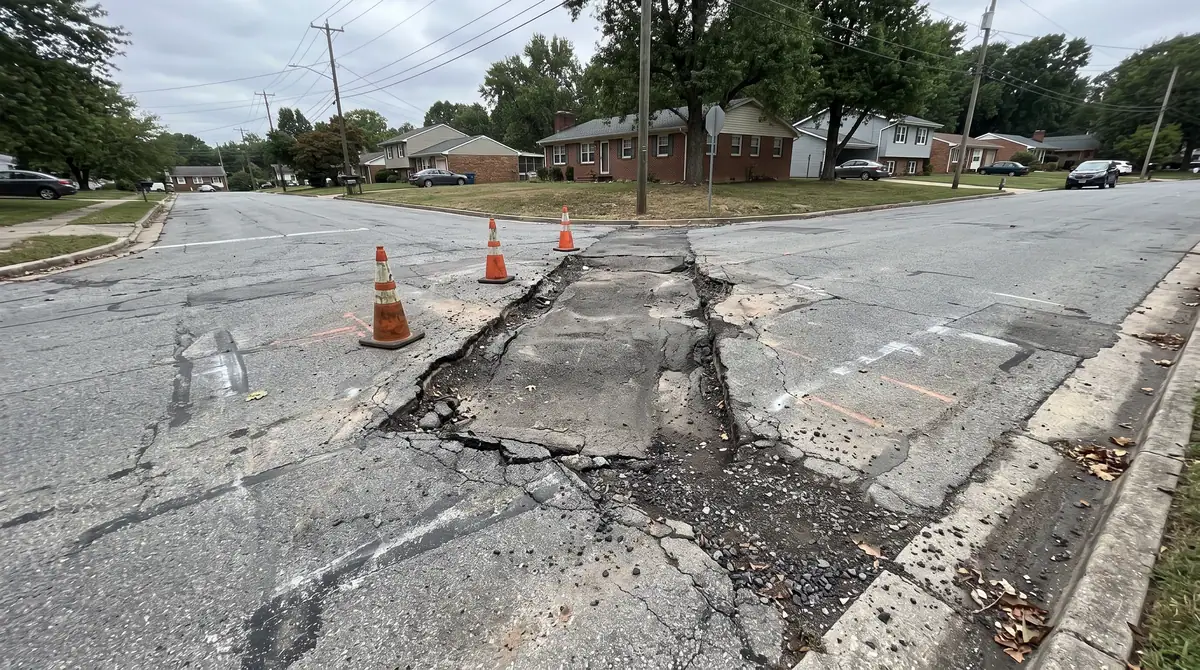
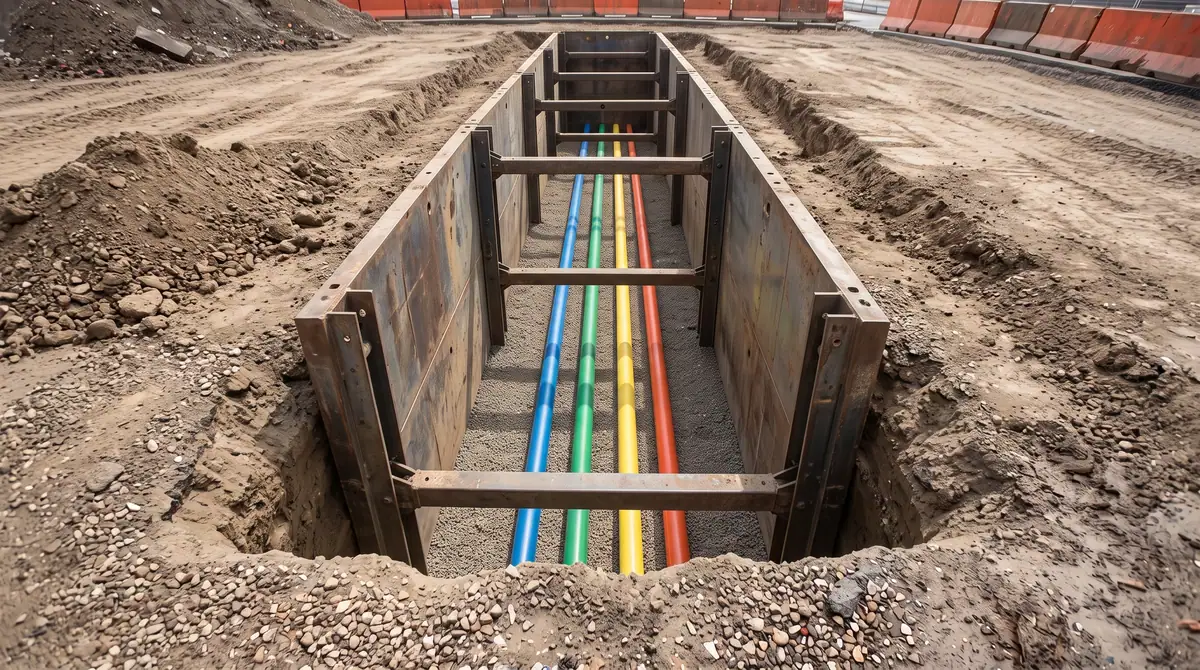
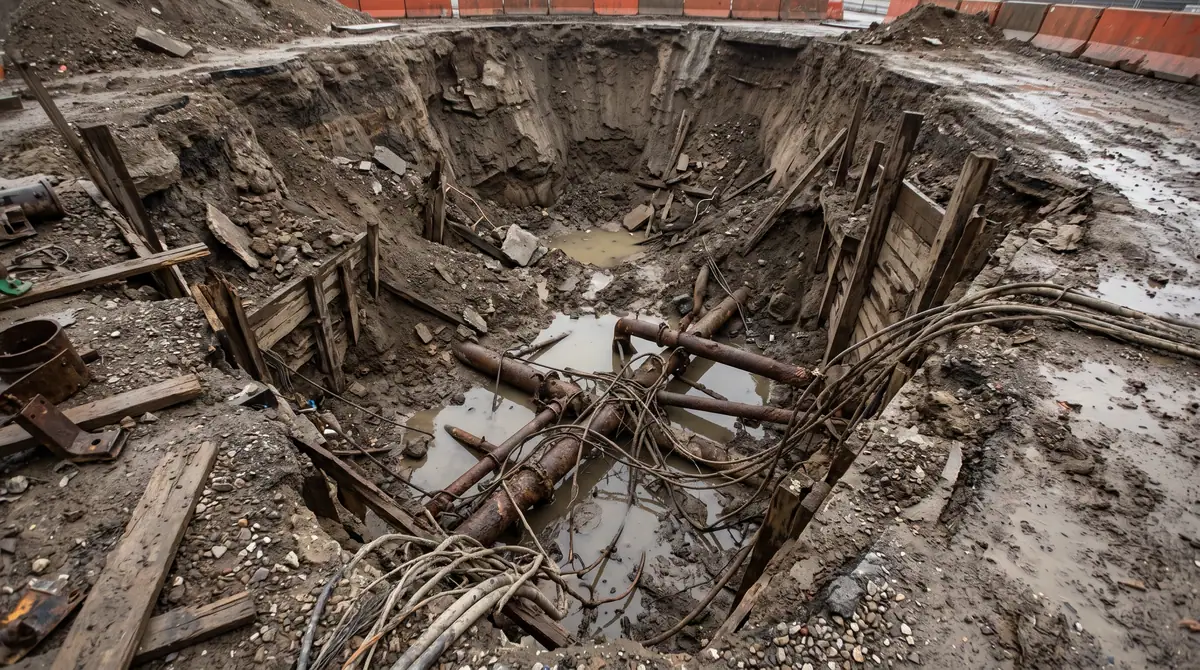
Soft digging protects what is buried.
You plan with facts.
A round hole, not a trench.
Closed the same day.
No. Locating marks a line from above. Potholing confirms it by exposing it.
No, usually a small round hole that is filled and patched.
Before boring or trenching across existing lines.
Yes, a vacuum is great for that.
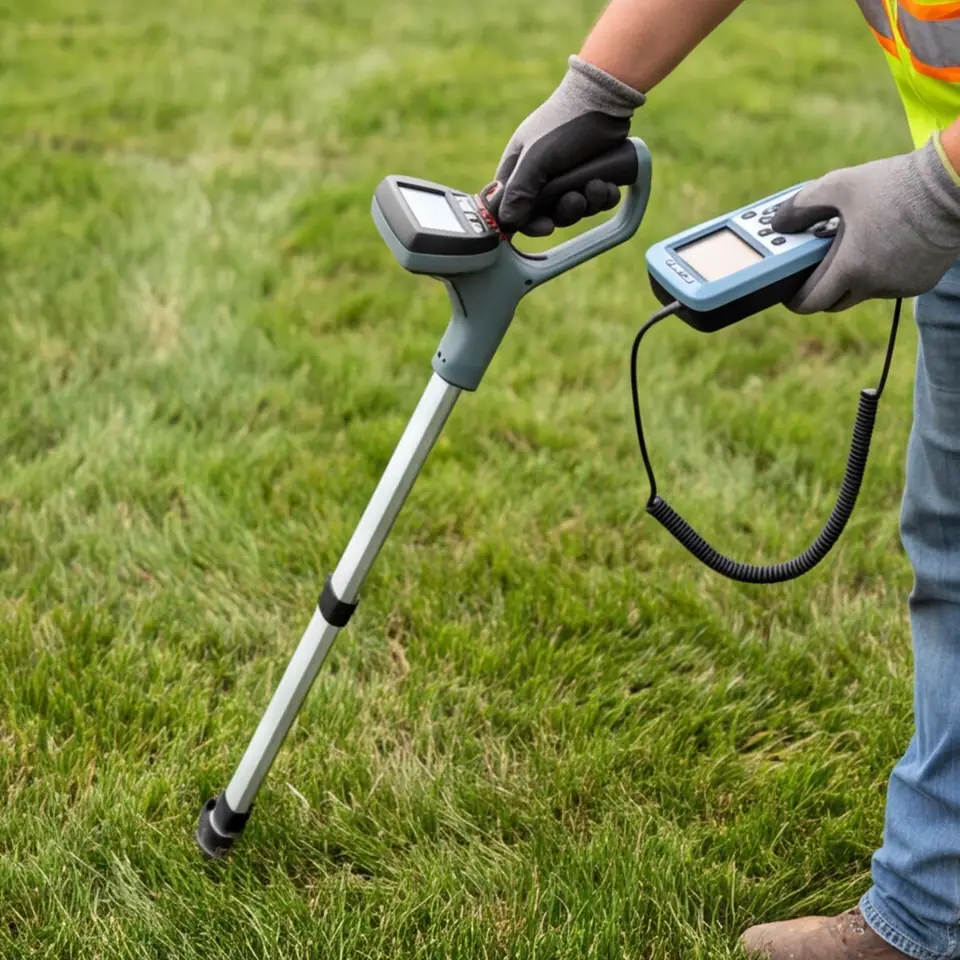 Utility LocatingElectromagnetic locating and paint marks show where buried lines run before anyone digs.Explore
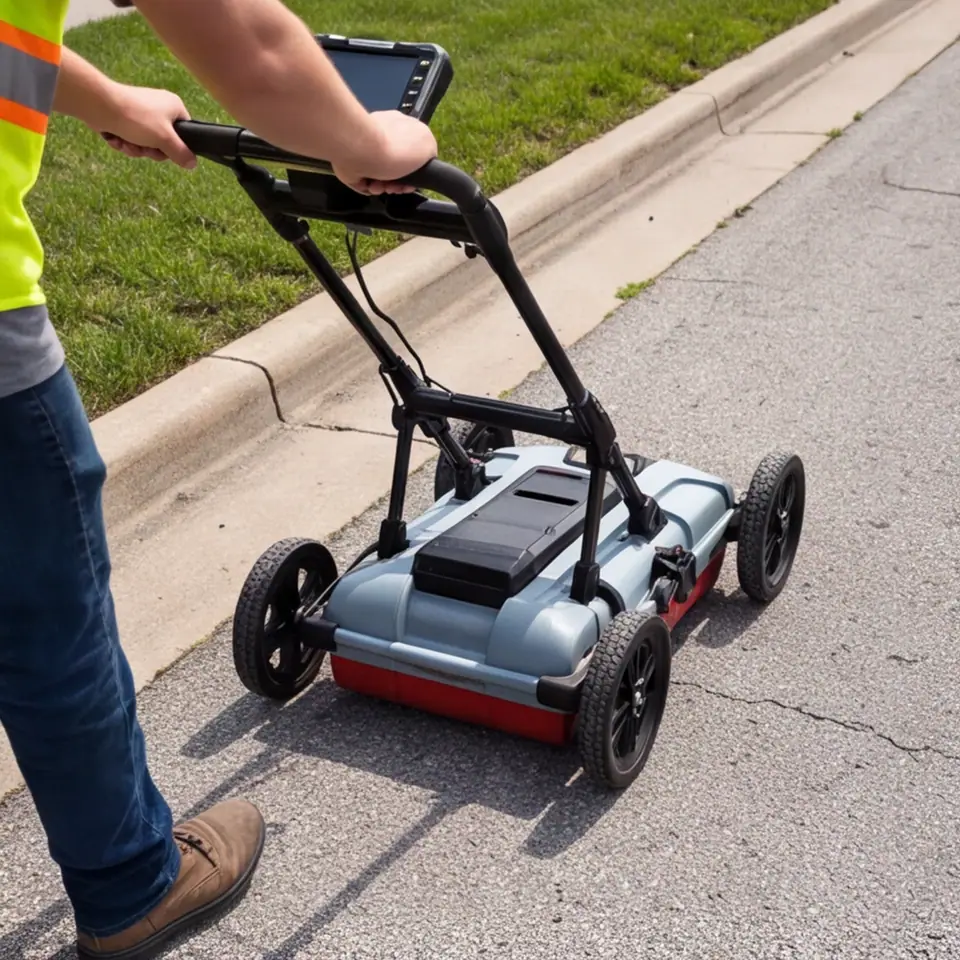 Ground Penetrating Radar ScanningRadar carts see pipes, tanks, voids and rebar under pavement and concrete.Explore
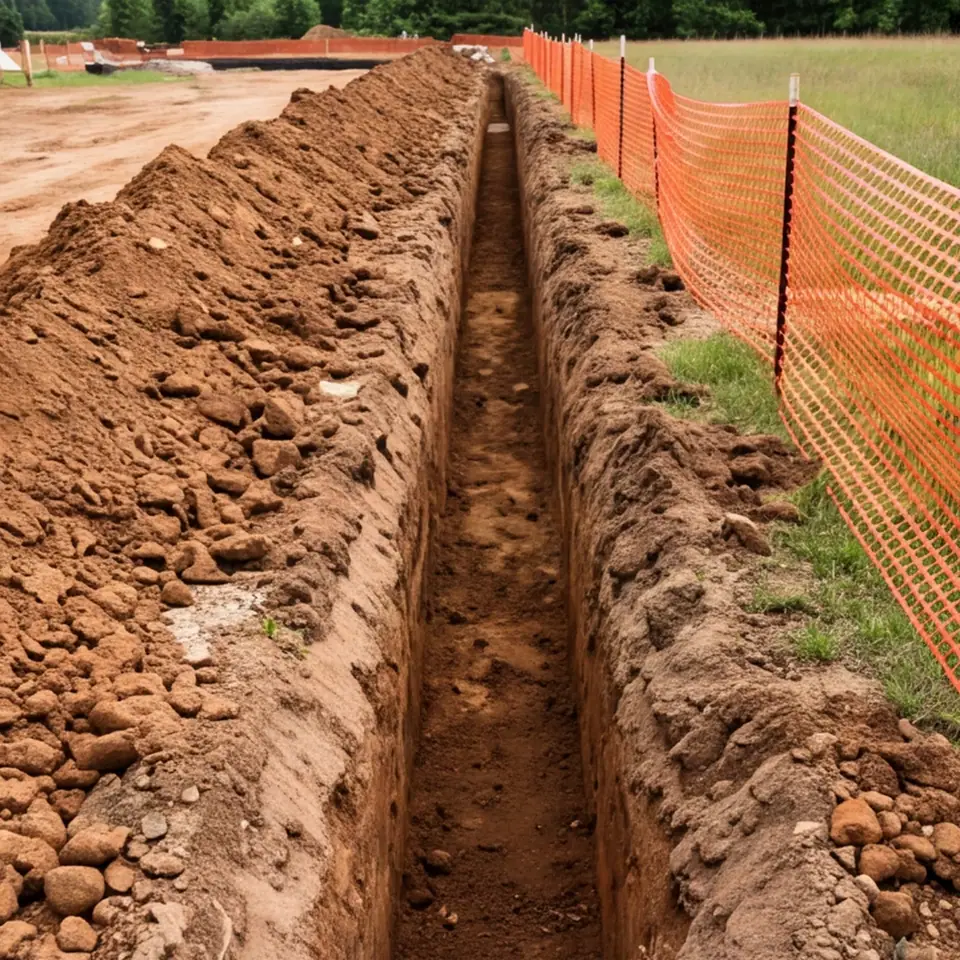 Utility TrenchingStraight, right-depth trenches cut for water, sewer, gas, electric and telecom lines.Explore
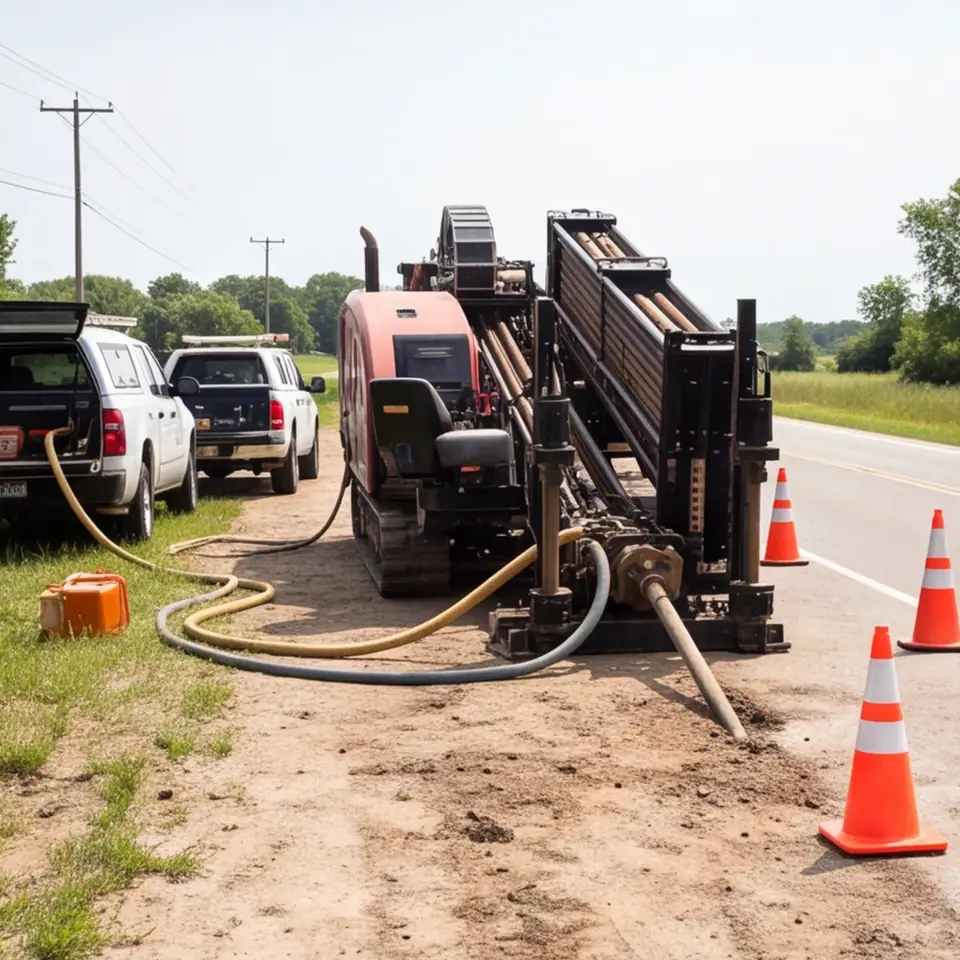 Horizontal Directional DrillingSteerable drilling installs pipe and conduit under roads, drives and creeks without open tr…Explore
Tell us what you are building or fixing. We will walk the route, locate what is already there and give you a written plan with a Free Estimate and no pressure.