Trench deeper than a few feet
Walls need protection.
Trench boxes, shoring and sloped walls that keep crews safe and the ground in place.
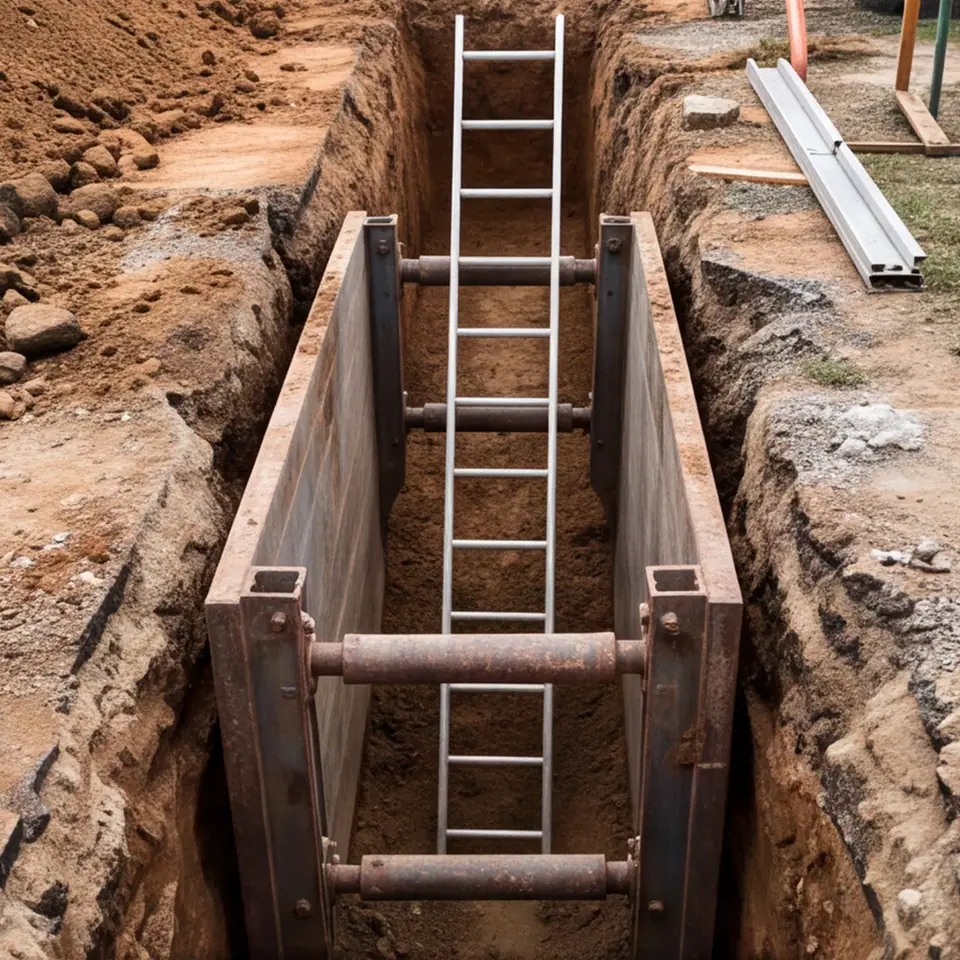
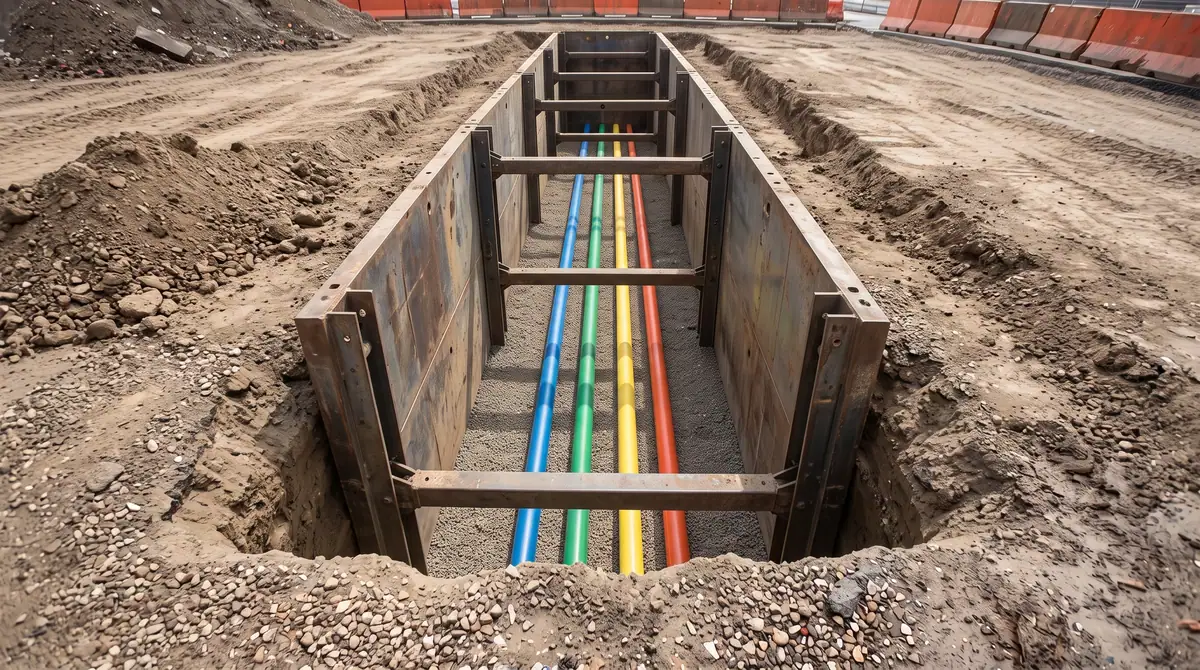
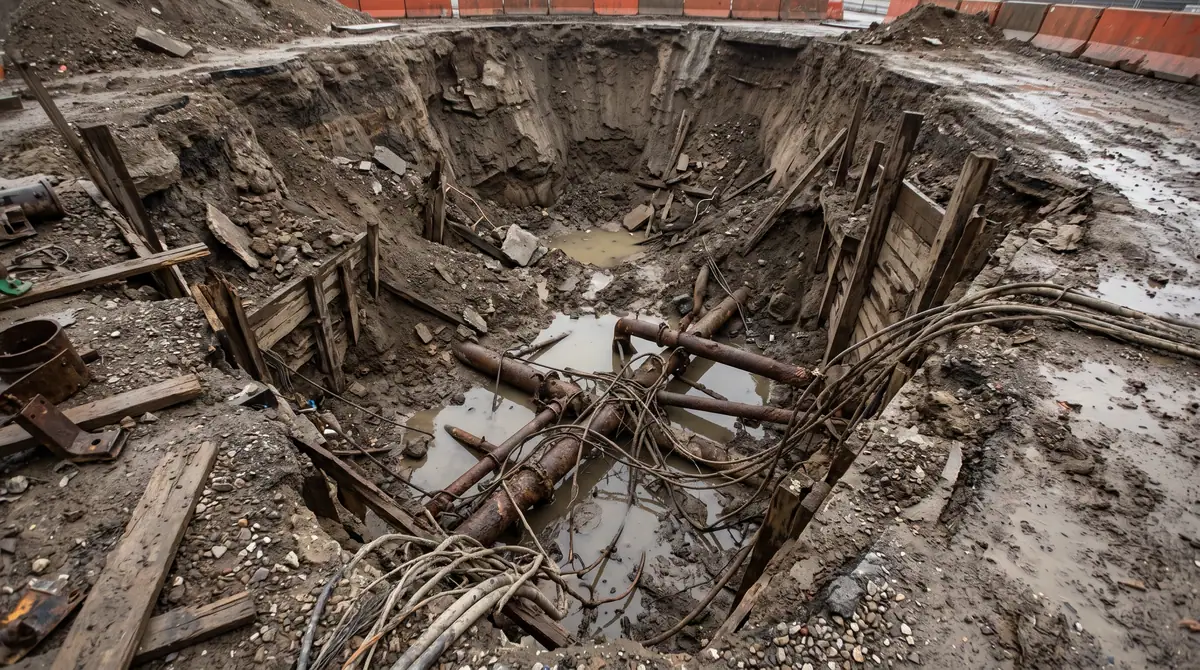
Trench walls can fail with little warning, and a collapse is one of the most serious dangers in construction. Good excavation work protects people first. Depending on soil, depth and nearby loads, that means sloping the walls back, setting a steel trench box or installing engineered shoring.
We assess the soil, plan the protection before the first cut and keep a competent person on site who inspects the trench daily and after weather. Ladders, spoil setback and barriers are part of every job. The result is a work zone where crews can lay pipe and cable without worrying about the walls.
Walls need protection.
The sides can slump quickly.
Loads add pressure to the walls.
Footings and utilities need support.
Type, moisture and depth are reviewed.
Slope, box or engineered shoring.
Installed before anyone enters.
And after rain or vibration.
As the trench is backfilled.
The first priority on every dig.
Walls stay where they belong.
Inspections are part of the day.
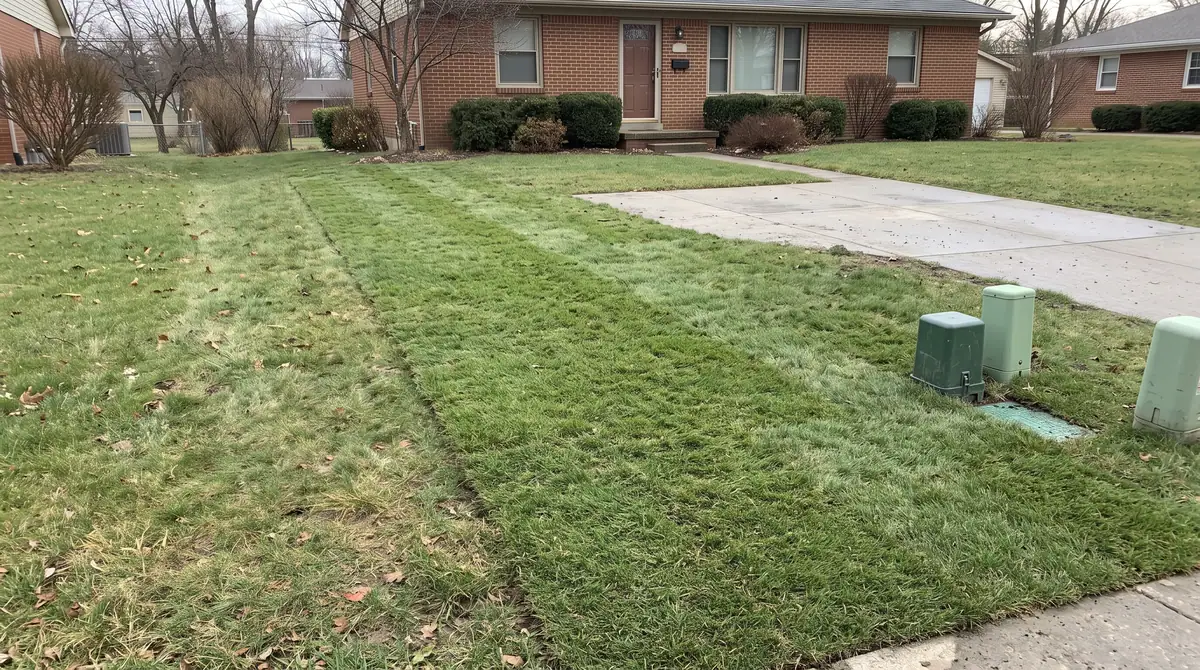
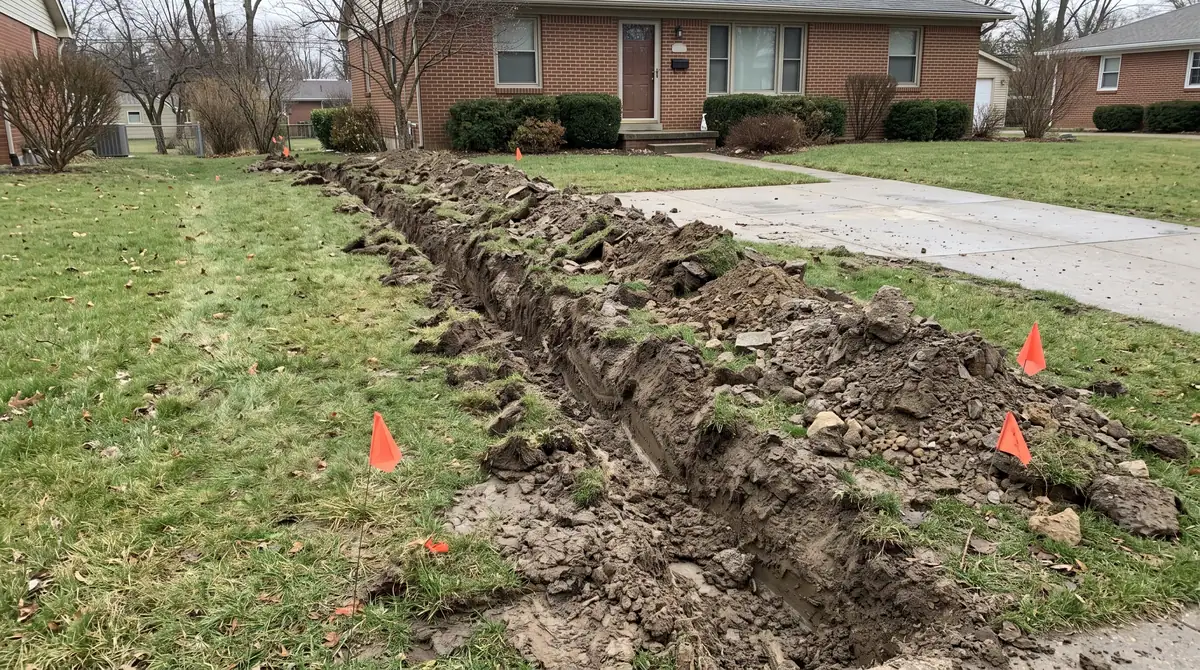
Less sloughing and mess.
It depends on depth and soil. We assess each one and use the right protection.
A steel shield that holds the walls apart so crews can work safely inside.
Yes. We re-inspect and adjust after weather.
Yes, with a plan that supports the soil and protects the structure.
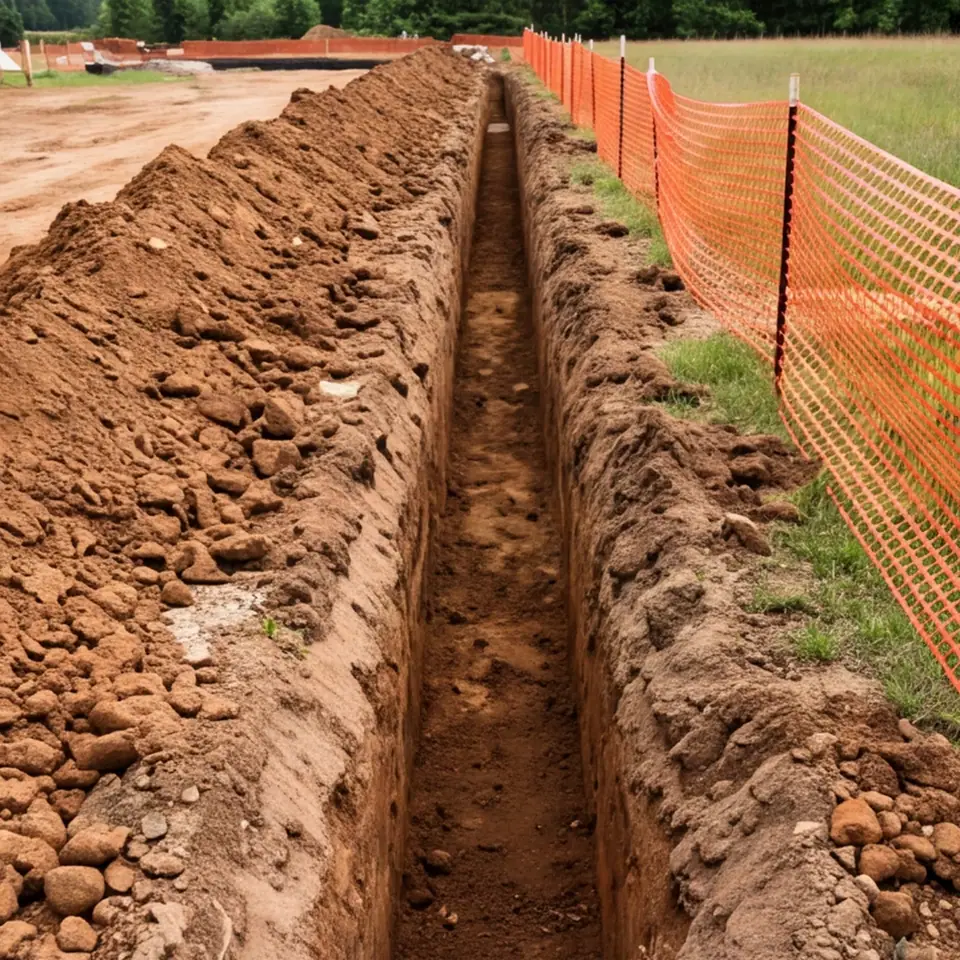 Utility TrenchingStraight, right-depth trenches cut for water, sewer, gas, electric and telecom lines.Explore
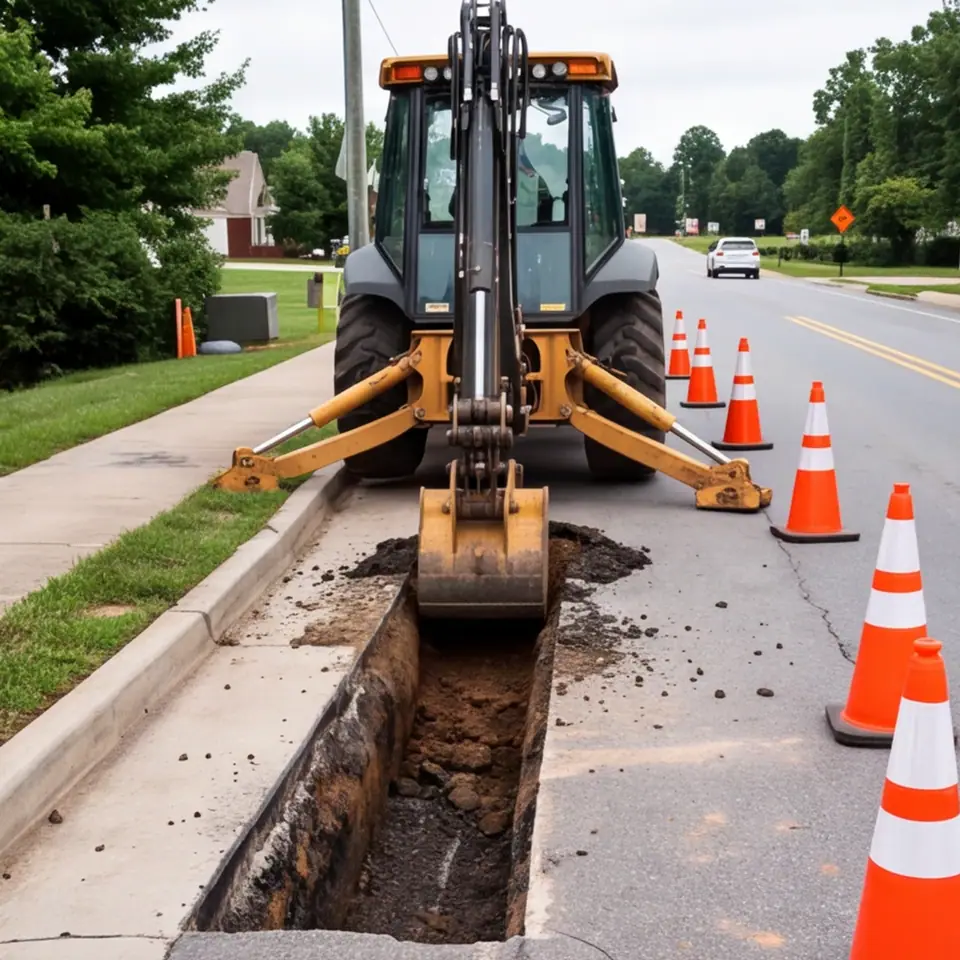 Dewatering and Wet GroundPumps and drainage keep trenches workable where the water table is high or creeks run nearb…Explore
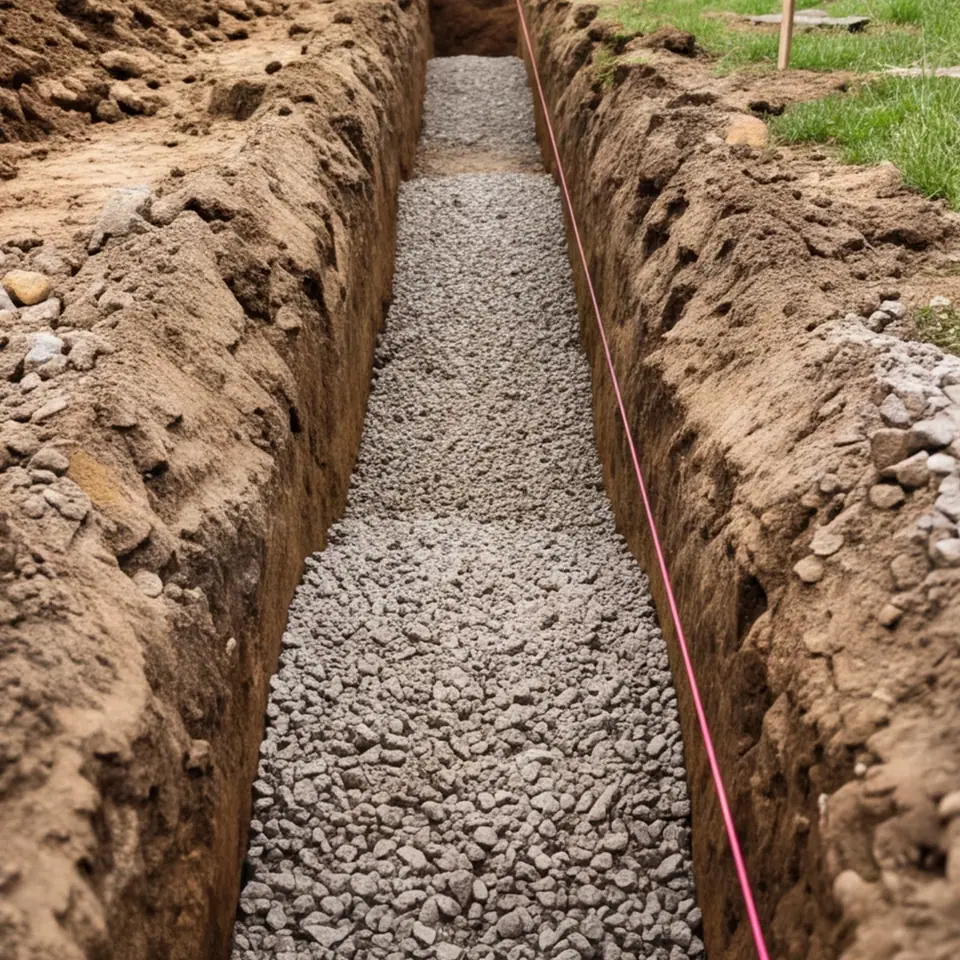 Pipe Bedding and BackfillClean stone and compacted backfill protect the pipe and keep surfaces from settling.Explore
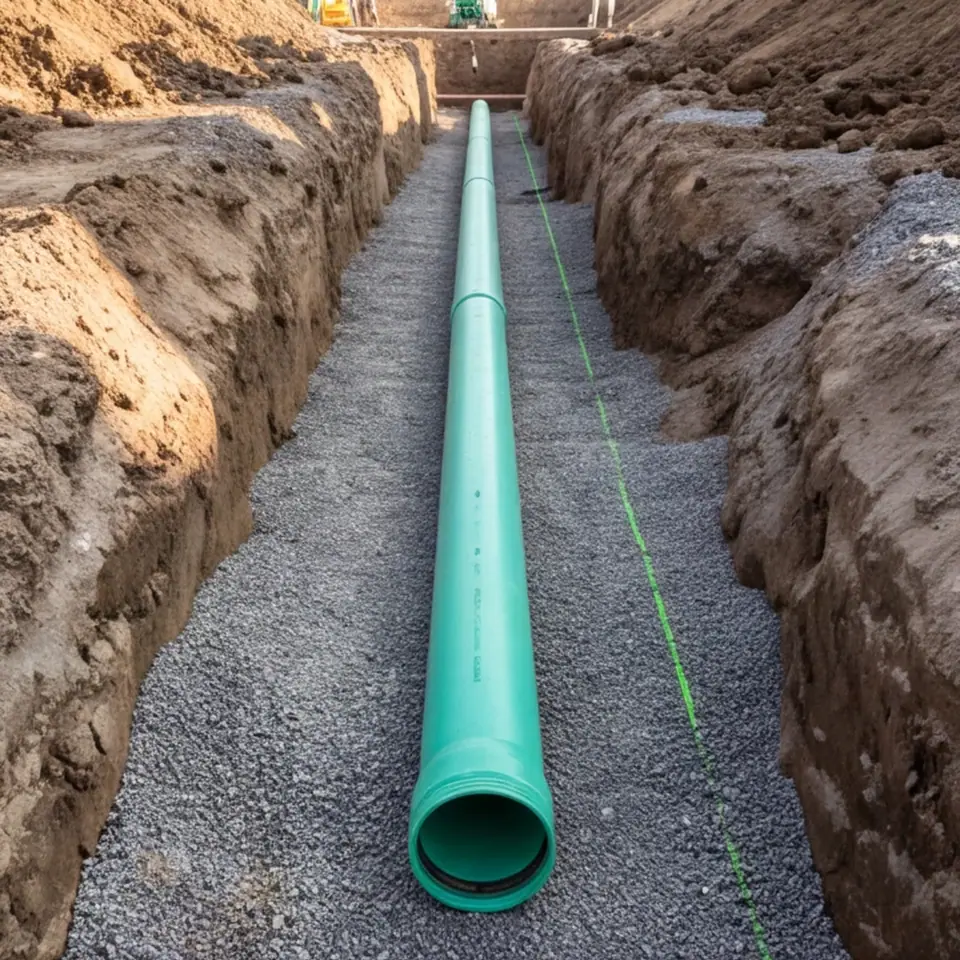 Sewer Main InstallationGravity sewer mains laid to grade on stone bedding with manholes and clean joints.Explore
Tell us what you are building or fixing. We will walk the route, locate what is already there and give you a written plan with a Free Estimate and no pressure.